

Four Reasons Why ‘Ashes’ is One of the Best Zombie Apocalypse Novels
I used to hate zombie books.
I have grown since then, trust me. Zombie books now have a treasured place in my library. One of the very best zombie apocalypse books I’ve read is Ashes, by Ilsa J. Bick.
Sometimes terrifying but always creepy, with competent and fully realized protagonists, Ashes delivers in a genre that sometimes feels like cheap theatrics take center stage.
Let’s figure out why Ashes does such a great job of turning me into a red-eyed monster who keeps the lights on at night.
Gore
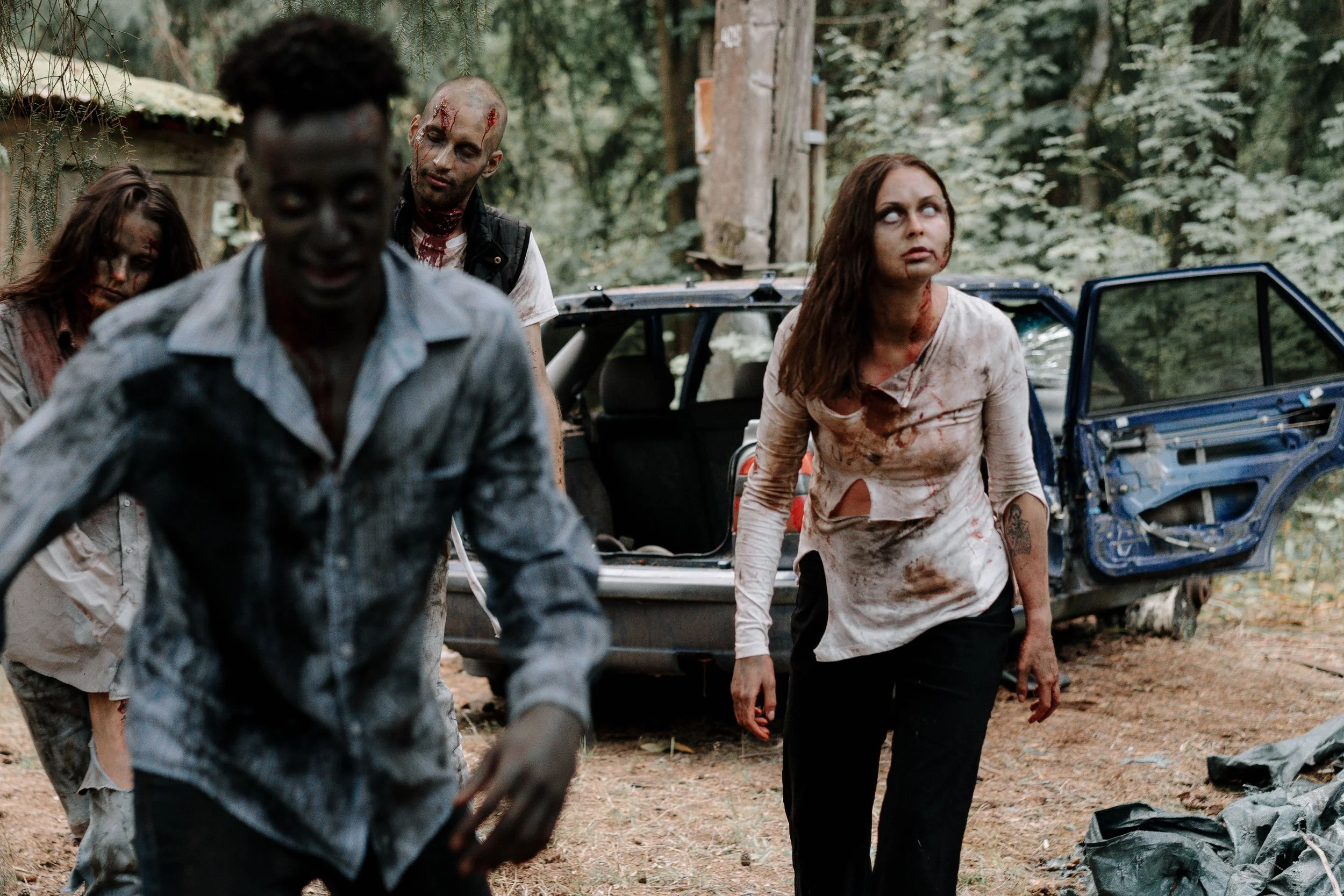
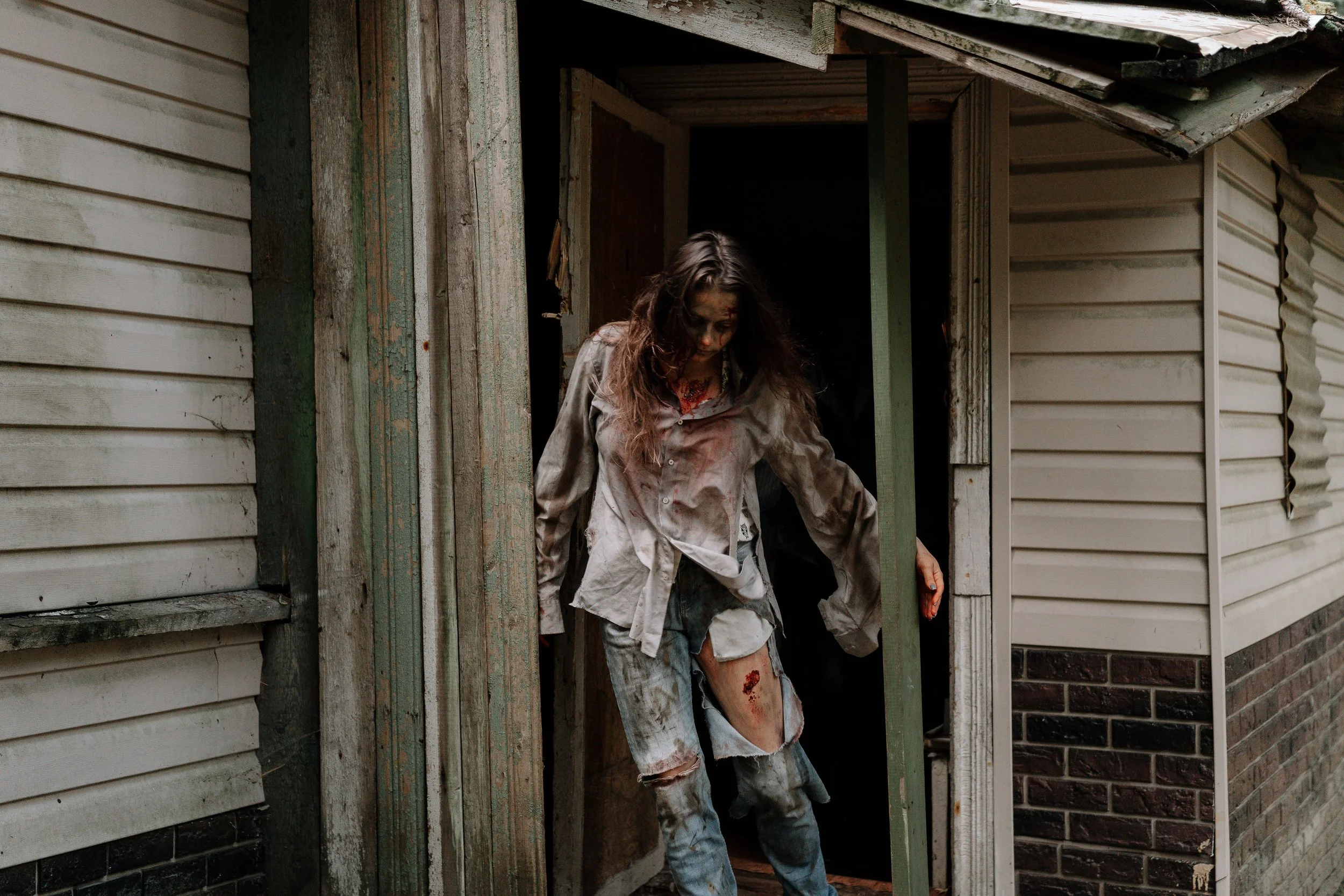
Let’s get this one out of the way right now. Overall, the Ashes series are the goriest books I’ve ever read.
Ashes stands out in the YA genre for that very reason: typically, violence in YA genres is PG-13, though I can think of a few exceptions to that rule.
Ashes breaks that rule repeatedly.
I enjoy that it leans into the violent aspect of the horror/zombie apocalypse genre because it lends the book a maturity that sets it apart in its genre.
The violence isn’t gratuitous for its own sake.
Sometimes in horror stories, the violence feels like an afterthought—a deep splashing of blood and guts without true direction or intention.
In Ashes, violence and gore are tools used to affect the characters in deeply moving ways.
And of course, it delivers all the dread, terror, and jump scares that readers expect from a zombie apocalypse novel.
The best part is that audiences never get the feeling that the protagonists are immune to death.
Maturity
After closing the book and reading the author’s bio, I discovered that Bick is a child psychiatrist.
Of course she is, I thought. That makes perfect sense.
The amount of emotional depth to the protagonists and secondary characters is another reason why Ashes stands apart in its genre.
Protagonist: Alex struggles with trauma from her parents’ death. She’s been diagnosed with a terminal brain tumor and has suffered a ridiculous number of treatments, and now the world has ended.
Male Lead: Tom has already seen his share of suffering from his tour in Afghanistan, and he had to track and kill his best friend who turned into a zombie.
Secondary Character: Ellie’s mother abandoned her as a baby, her father was KIA in Afghanistan, and she watched her grandfather suffer a heart attack and die. The only remnant of her family is her father's bomb-sniffing dog, Mina.
And those are just the big players in the first book.
The sheer amount of trauma that other characters suffer is enough to keep Kleenex in business for a long time, but none of the characters are victims.
These characters work through their issues alone and with each other in a way that is both riveting and inspiring.
Ashes is technically a YA book, but don’t make the mistake of believing that the themes and characters are immature.
Bick respects the intelligence of her audience and creates a world that engages adults right alongside the YA target audience.
Powerful Zombies
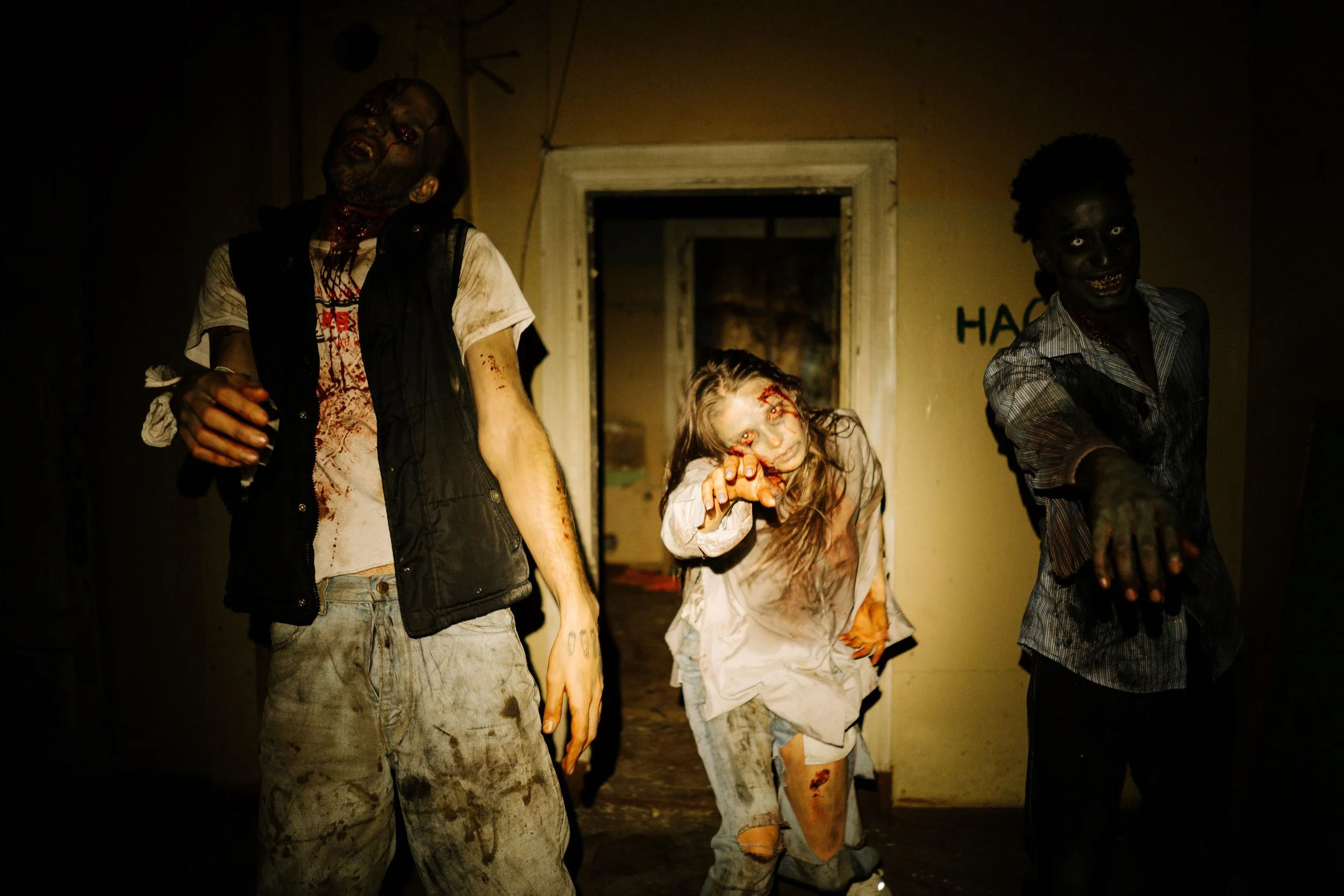
If these zombies were your run-of-the-mill shuffling monsters, our heroes would have no problem evading them.
Bick uses zombies that start out as dangerous: fast, strong, and able to scent prey like a wolf. They only get more dangerous as time goes on. This is one of the ways that stakes slowly raise throughout the series: the zombies get smarter, stronger, faster.
The sheer amount of forces arrayed against the heroes forces them to be the best version of themselves.
It’s Creative Writing 101: the harder the fight, the better the hero.
That doesn’t just apply the heroes’ ability to outthink or outmaneuver their enemies. It also requires the heroes to resolve their character arcs.
Whatever that flaw or weakness is that’s keeping them afraid, lonely, grieving—insert flaw here—the sheer gravity and terror of the situation requires the heroes to change or die.
Period.
This is another reason why the gore doesn’t feel like a gratuitous afterthought. The characters are fully realized, competent people who make smart choices and win the audience’s loyalty.
And despite their best efforts, the zombies’ reign of terror seems unstoppable.
Save the Cat! Genre
Blake Snyder famously pioneered the Save the Cat! theory in his book Save the Cat!: The Last Book on Screenwriting You’ll Ever Need.
According to Snyder (2005), excellent stories share the same basic structure and that there are ten universal genres into which all stories fall.
Jessica Brody adapted Snyder’s teaching—originally intended for screenwriting—for novelists in her book Save the Cat! Writes a Novel: The Last Book on Novel Writing You’ll Ever Need. It is an excellent resource for writers who specialize in prose.
Ensuring that a novel falls neatly into one of these universal genres is a great place to start when assessing a story’s strengths and weaknesses.
There are two universal genres that might apply to Ashes. It is either a Monster in the House story, or a Dude with a Problem story.
Monster in the House story requires three main pillars (Brody 2018):
A monster
A house (or a space/plot device that makes it impossible to escape the monster)
A sin
Ashes has a couple of the requirements for this kind of story. The characters cannot escape the zombies despite their best efforts, but ultimately nothing the characters did resulted in the creation of these monsters.
A Dude with a Problem story requires these pillars (Brody 2018):
An innocent hero
A sudden event
A life-or-death battle
Ashes nails all these marks.
Not only are our heroes totally innocent bystanders when the zombie apocalypse happens, but their battle against the monsters in the world is about as life-or-death as it gets.
Closing Thoughts
Standing out in this genre is a genuine feat of artistic ability. Even if an author manages to stand above crowds of mediocre stories, there is real competition from well-told stories across mediums.
Ashes stands up to the competition. It is so much more than a zombie flick.
It has depth, emotion, true courage, and heroes who have grave inner stories besides dealing with the end of the world. The protagonist’s grim sense of humor is an added bonus.
Those are the qualities that discerning horror fans gravitate toward.
References
Brody, J. (2018). Save the Cat! Writes a Novel: The Last Book on Novel Writing You’ll Ever Need. Ten Speed Press.
Snyder, B. (2005). Save the Cat!: The Last Book on Screenwriting You’ll Ever Need. Michael Wiese Productions.